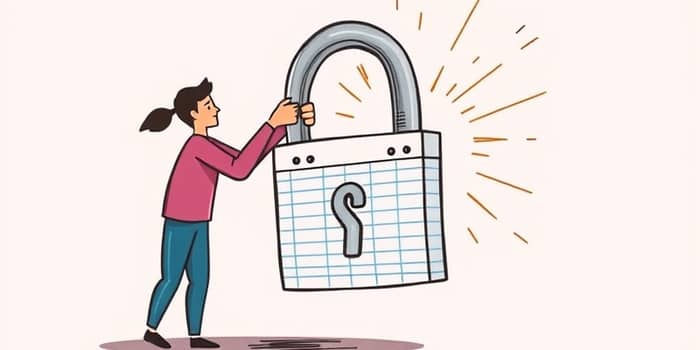
In a world where financial stress is all too common, the concept of budgeting is often met with resistance and dread.
Yet, this very resistance masks a profound truth: budgeting is not about confinement but about unlocking true financial freedom.
It offers a path from anxiety to empowerment, where structure becomes the foundation for a more intentional and joyful life.
The Paradox of Structure
At first glance, budgeting seems to limit your spending choices, creating a sense of restriction.
However, this structure is what liberates you from the chaos of unchecked finances.
It provides clarity and direction, allowing you to navigate your money with purpose.
Budgeting is not about controlling every penny; it is about taking ownership of your financial story.
This shift in perspective transforms budgeting from a chore into a tool for liberation.
Psychological and Emotional Benefits
Budgeting has a direct impact on your mental health by reducing stress and anxiety.
Money worries can lead to sleepless nights and strained relationships.
A budget brings order to this chaos, fostering a sense of control.
Studies show that consumers with budgets experience significant emotional improvements.
- 62% feel more in control of their finances.
- 55% report increased confidence in their financial decisions.
- 52% feel more secure about their future.
This confidence stems from clear visibility into spending patterns.
When you know where your money goes, you can make choices without guilt or guesswork.
Budgeting also boosts optimism by tracking progress toward savings goals.
Seeing debt decrease or savings grow creates motivation and pride.
This emotional uplift is a key driver for long-term financial well-being.
Practical Financial Benefits
Beyond emotions, budgeting delivers tangible financial advantages that enhance your life.
It helps allocate money toward what truly matters, such as personal goals.
- Achieve objectives like buying a home or funding a dream vacation.
- Cut unnecessary expenses to accumulate funds faster than expected.
- 68% of consumers agree that a budget aids in reaching family goals.
Debt management becomes simpler with a structured approach.
You avoid debt traps by prioritizing payments and reducing interest burdens.
Budgeting also prepares you for emergencies by building a financial buffer.
This brings peace of mind, knowing you can handle surprises without derailing your finances.
Additionally, it improves your credit score through consistent bill payments.
Higher scores lead to better loan rates, saving money in the long run.
Empowerment Through Independence
Budgeting cultivates financial independence, reducing reliance on credit or others.
You become empowered to make choices based on your values, not constraints.
This independence builds a solid foundation for living life on your terms.
Self-discipline and accountability are key skills developed through budgeting.
- Learn to sustain your lifestyle and handle responsibilities confidently.
- Develop healthy financial habits that extend beyond money management.
Overall quality of life enhances as you reassess priorities.
Budgeting helps you say yes to goals and no to unnecessary pressure.
Behavioral Insights for Success
Understanding cognitive factors can make budgeting more effective and sustainable.
Mental budgeting involves classifying expenditures mentally to aid tracking.
It makes you more resistant to impulsive spending and promotions.
Individuals with strong mental budgeting skills show higher financial well-being.
Financial literacy plays a crucial role in this process.
It empowers you with knowledge to manage money effectively.
- Greater literacy leads to better investment decisions and security.
- There is a mediating relationship between literacy and well-being.
Self-control is another vital factor for budgeting success.
People with higher self-control are more likely to save and regulate spending.
This improves financial planning and predicts greater security over time.
Motivation and Goal Setting
Budgeting serves as a powerful motivator by setting clear targets.
These targets become key performance indicators for your financial health.
They encourage the performance needed to achieve your goals.
Systematic debt elimination is a prime example of this motivation.
- Use methods like the debt avalanche to target high-interest debts first.
- Eliminating such debt offers one of the best returns on your money.
Retirement and investment planning also benefit from budgeting.
It prioritizes regular contributions, taking advantage of employer matches.
Consistent investing is essential for long-term financial independence.
The Roadmap to Freedom
Budgeting is best understood as a roadmap for your financial journey.
It provides direction and helps you navigate toward your destination.
The freedom paradox lies in how structure leads to liberation.
When you know your financial limits, you gain confidence to make choices.
This predictability relieves stress and allows for intentional living.
Budgeting is a psychological shift that empowers you to own your story.
Supporting Statistics and Impact
Data underscores the transformative effects of budgeting on people's lives.
These statistics highlight the stark contrast between budgeting and its absence.
After learning about benefits, there is an 11% increase in budget adoption.
This shows how awareness can drive positive behavioral change.
Budgeting is not just a financial tool; it is a life-enhancing practice.
It fosters resilience, optimism, and a proactive approach to challenges.
By embracing structure, you unlock the door to a freer, more fulfilling future.
Start today by mapping out your expenses and setting simple goals.
Remember, every small step builds toward greater financial harmony and peace.
References
- https://www.quicken.com/blog/how-can-budgeting-affect-ones-personal-life/
- https://aspioneer.com/the-importance-of-budgeting/
- https://www.cfp.net/news/2019/01/new-survey-shows-consumers-no-matter-their-income-or-assets-need-support-with-spending-household
- https://pmc.ncbi.nlm.nih.gov/articles/PMC10645357/
- https://cfoperspective.com/capture-the-benefits-of-budgeting-to-increase-business-performance/
- https://mckinleycarter.com/insights/5-psychological-benefits-of-financial-freedom
- https://havokjournal.com/nation/finance/why-budgeting-is-essential-for-financial-wellness/
- https://pmc.ncbi.nlm.nih.gov/articles/PMC9883609/
- https://www.georgetown.edu/news/this-money-habit-can-revolutionize-your-finances/
- https://www.futurefocusedwealth.com/blog/psychology-of-budgeting-dallas-financial-planner/
- https://www.incharge.org/financial-literacy/budgeting-saving/budgeting-benefits/
- https://winzcredit.com/the-psychological-benefits-of-taking-control-of-your-finances/
- https://www.northwestern.edu/financial-wellness/money-101/budgeting.html
- https://www.beemoneysavvy.com/the-psychological-benefits-of-sticking-to-a-budget/
- https://instituteforfamily.org/lightbulb-moment/budgeting/